How triple glazing works
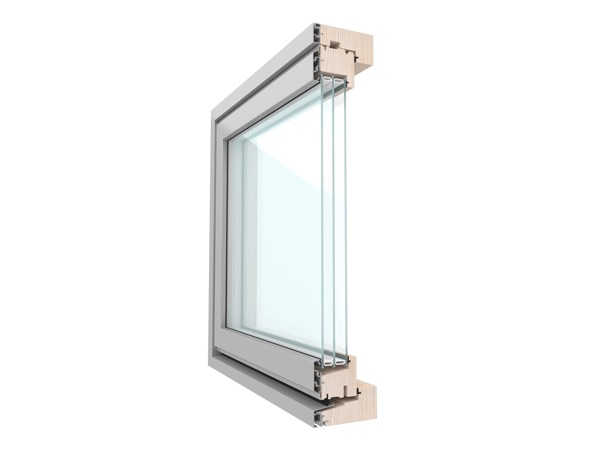
A triple glazed unit consists of three panes of glass held in a sealed frame with two cavities between them, each filled with argon gas. Argon is denser than air and a poor conductor of heat, slowing the transfer of warmth from inside the building to outside. The result is a lower overall U-value and a warmer internal glass surface than double glazing can achieve.
Performance specification
Nordvest's 50mm triple glazed units can achieve a centre-pane U-value (Ug) of 0.48 W/m²K. Whole-window U-values (Uw) including the frame are typically below 0.8 W/m²K, meeting the glazing performance threshold for Passivhaus projects. For projects targeting PHI certification, see our passive house glazing specification.
Comfort and acoustic performance
The warmer internal glass surface of a triple glazed unit reduces the cold radiant effect near windows, i.e. the draught like sensation caused by sitting close to a cold pane. This improves comfort in rooms with large glazed areas without any change to the heating system. The additional glass pane and second cavity can provide improved noise attenuation compared to double glazing, relevant for urban, roadside, and flight-path locations.
UV protection
Like Double Glazing, Triple glazing with laminated glass substantially reduces UV transmission, protecting interior furnishings, flooring, and finishes from fading and degradation over time. This is a useful secondary benefit in rooms with south or west-facing glazing.
Passivhaus applications
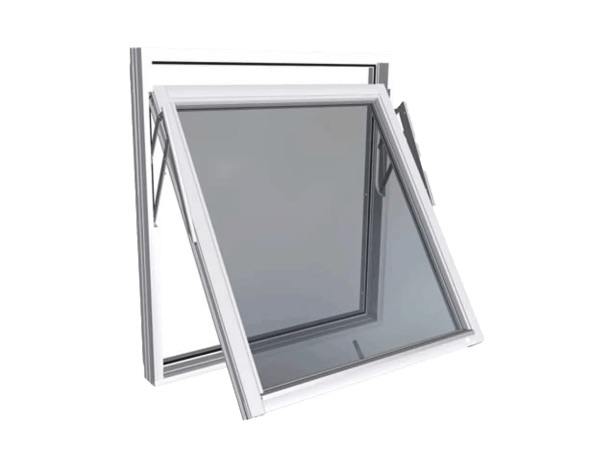
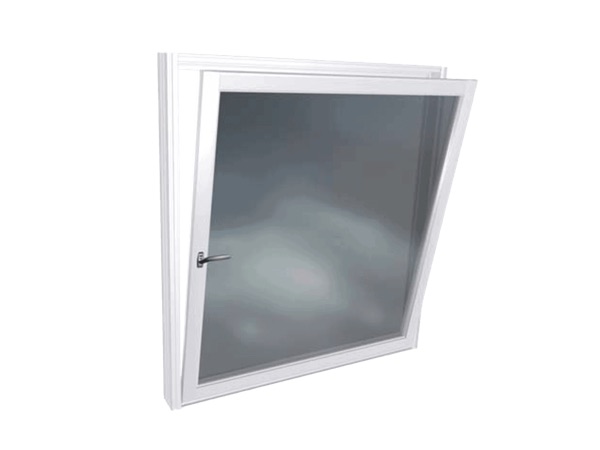
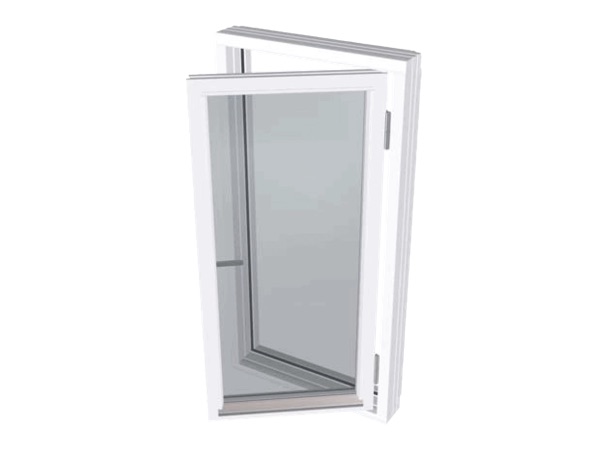
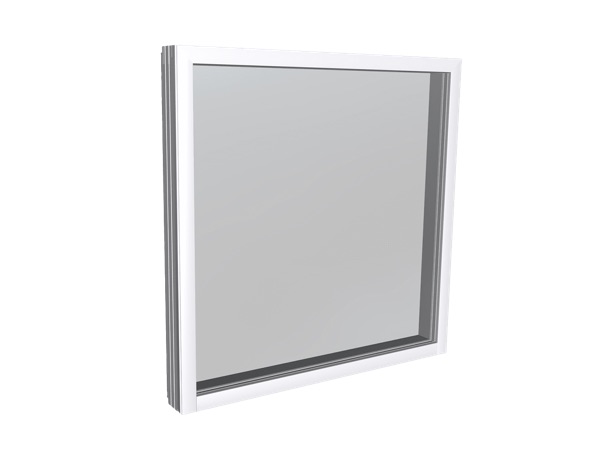
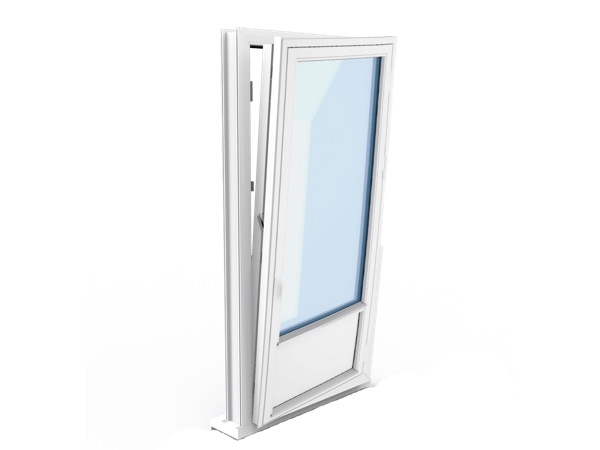
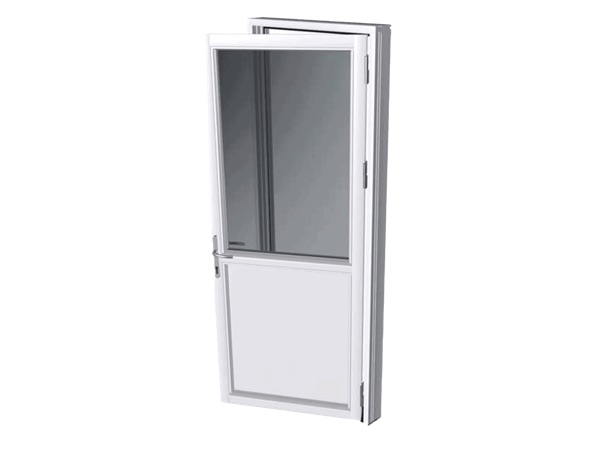
Fixed frames with triple glazing achieve the lowest whole window U-values and are the standard glazing specification for Passivhaus projects. All opening window and door types are also available with triple glazing. For projects where overheating on south-facing elevations is a concern, triple glazing can be combined with a solar control coating. See our solar control glass page for g-value options.
Frost on the outside — a sign it's working
Homeowners occasionally notice frost forming on the exterior surface of triple glazed windows during cold weather. This is not a fault, it is a sign that the glazing is performing correctly. The outer pane stays close to the outside air temperature because very little heat escapes through a triple glazed unit. When cold, humid air contacts the cold outer surface, condensation or even frost can form.
Double or triple — which is right for your project?
Triple glazing is recommended for any project where thermal performance, Passivhaus, or sound reduction is a priority. Double glazing remains appropriate where the building fabric does not require the performance levels or triple glazing. Both are available across the full Nordvest range. Contact our technical team to discuss the right specification for your project.