The overheating problem
Modern highly insulated buildings are designed to minimise heat loss, but the same airtight, well-insulated envelope that keeps heat in during winter can cause overheating in summer, particularly on south facing elevations and in rooms with large glazed areas. In southern England especially, solar gain through windows is an increasingly common cause of summer discomfort in otherwise well performing buildings.
Solar control glass addresses this directly by reducing the amount of solar energy (heat) that passes through the glazing, while still admitting natural daylight.
How solar control glass works
A solar control coating is applied to one surface of the glass unit. The coating reflects and absorbs a proportion of incoming solar radiation — specifically the infrared heat component — while allowing visible light to pass through. The result is a lower g-value (total solar energy transmittance) without a proportionate reduction in light transmittance.
The trade-off is that as the g-value decreases, the glass becomes progressively darker. Selecting the right g-value involves balancing heat rejection against light transmission and interior appearance.
U-value, g-value, and light transmittance
Three values govern glazing performance for energy-efficient buildings:
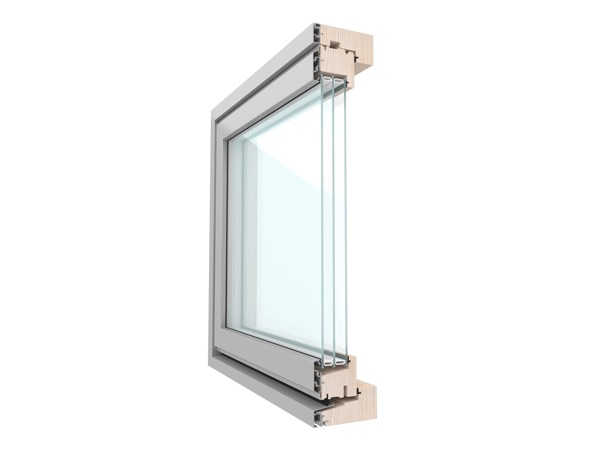
- U-value — measures heat loss. Lower is better. Triple glazing achieves Uw below 0.8 W/m²K.
- g-value — measures the percentage of solar energy transmitted through glass. Lower is better. Solar control coatings can bring this down to 20–45% compared to 80% for standard double glazing.
- Lt-value — measures visible light transmittance. Higher is better for more daylight.
For low-energy buildings, the goal is a low U-value, a controlled g-value, and the highest practical light transmittance, but these are in tension with each other. Nordvest's technical team can advise on the right combination for your project.
g-value comparison by glazing type
The table below shows typical g-values for common glazing specifications:
| Glazing type |
Typical g-value |
Typical application |
| Standard double glazing (clear) |
70–80% |
Cold climates, passive solar gain |
| Low-E double glazing |
60–70% |
Balanced heating and cooling |
| Low-E triple glazing |
50–65% |
Energy-efficient builds in cooler climates |
| Triple glazing with solar control |
30–45% |
Passivhaus, south-facing façades |
| Solar control glass (advanced) |
20–35% |
High overheating risk, warm climates |
When to specify solar control
Solar control glass is most commonly specified on south-facing elevations, in rooms with large glazed areas, and in commercial buildings where occupant comfort is a priority. It is also increasingly relevant for Passivhaus and low-energy projects in central and southern England, where overheating risk must be assessed as part of the energy model. In Scotland and northern England, where solar gain is lower, standard low-E triple glazing is often sufficient.
Availability
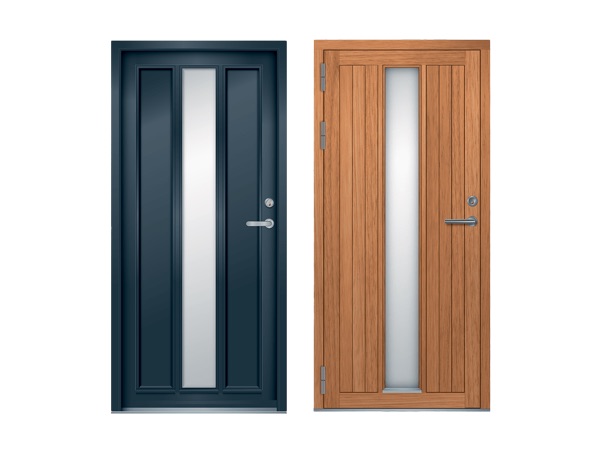
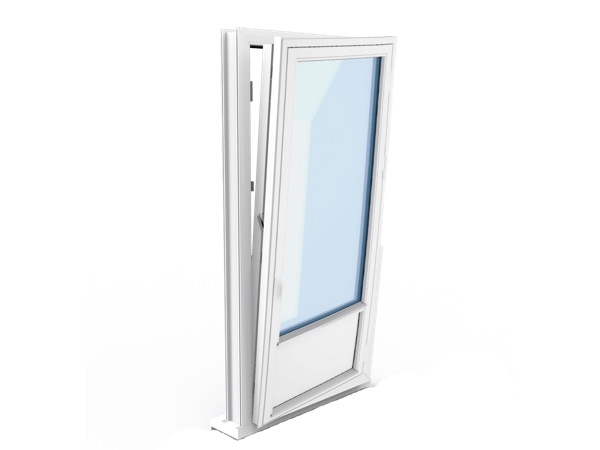
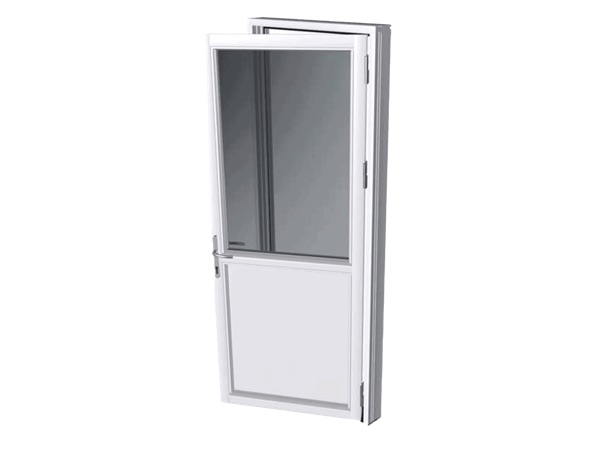
Solar control coatings are available on double and triple glazed units across the full Nordvest window and door range. Both standard and advanced coating specifications are available. For projects where thermal performance is also a priority, solar control coatings can be combined with our triple glazing units, including the 50mm passive grade units used on Passivhaus projects. Contact our technical team to discuss the right g-value for your project's orientation and energy target.